Building a small space does not mean living small. Some of the most comfortable homes are compact. They are designed intentionally.
Whether you are in a tiny house, studio apartment or cozy cottage, the goal is not to add square footage. Your goal is to make your space feel calm, functional, and open. Design choices can help you accomplish that.
1. Let in as Much Light as Possible
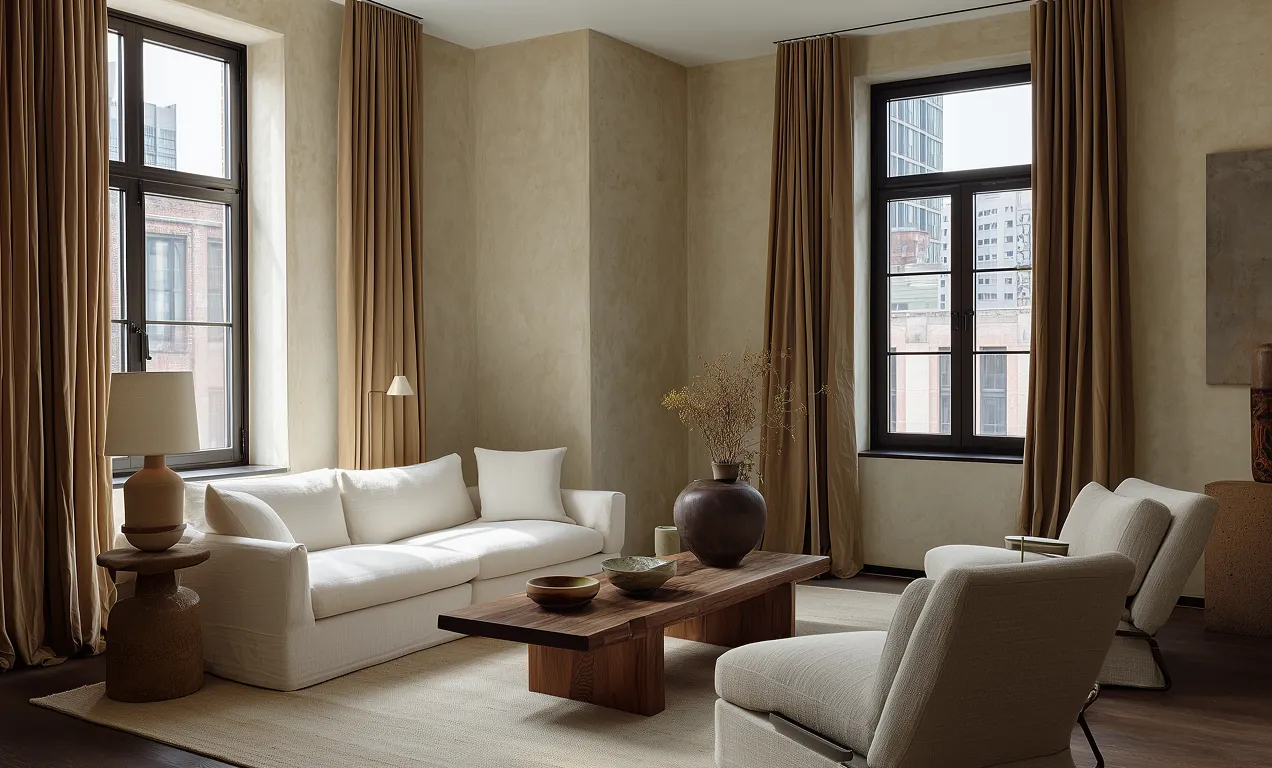
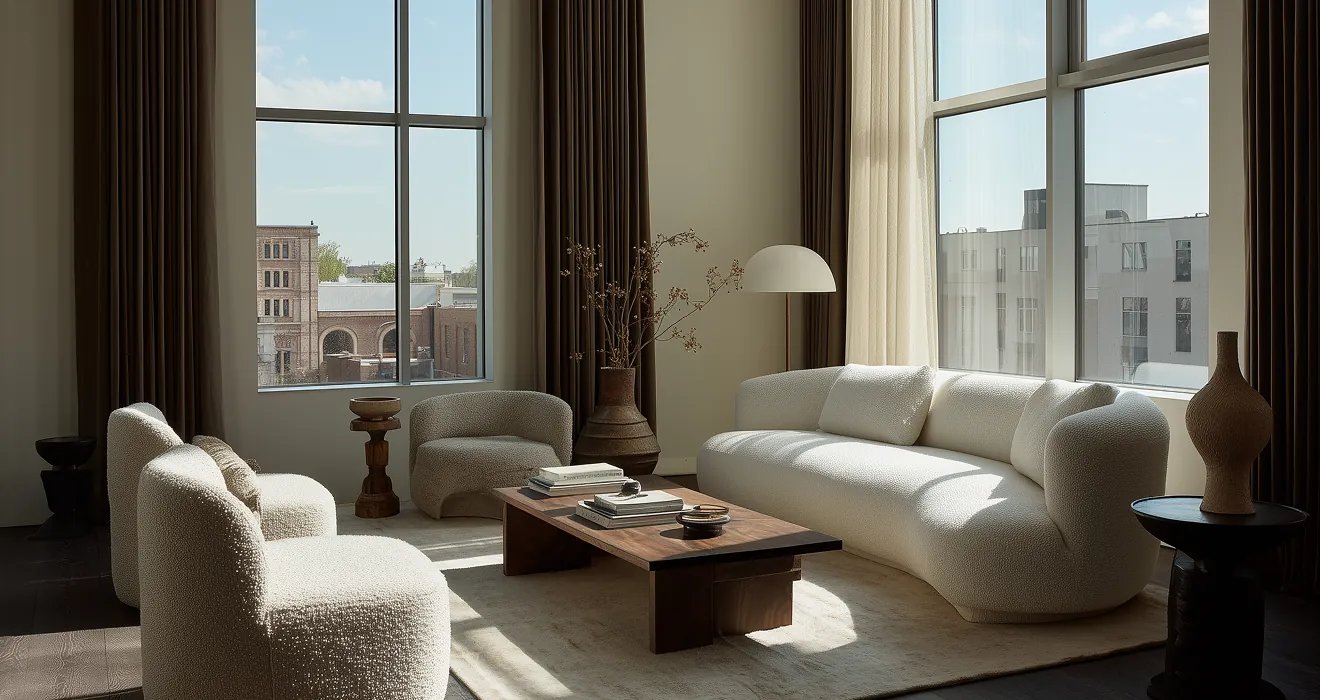
Light is the fastest way to make a space feel bigger. Keep windows uncovered or lightly covered. Let light come in from two sides of the room. Avoid blocking light with furniture. If you are limited by natural light, add in high quality artificial light - bright spaces feel larger.
2. Choose Light, Neutral Colors
Light colors reflect light, making the walls feel farther apart. Paint walls, ceilings, and trim in similar colors to blur boundaries. A slightly darker floor will addd visual depth.
3. Use Furniture that fits the Scale
Oversized furniture can make the whole space feel crowded or cramped. Choose slim profiled furniture and clean lines. Opt for raised legs - giving more open visibility to floor area. Avoid bulky arms to thick bordered furniture. Fewer pieces of furniture chosen well will create a feeling of more space.
4. Create Clear Sightlines
The more direct lines of sight you can have at once, the more spacious it will feel. Avoid blocking doorways or walkways. Use open shelving instead of cabinets. When your eyes travel across a room easily, they read it as larger.
5. Define Zones Without Walls
Small spaces need structure but the more subtle they are, the larger the space will feel. Instead of walls or curtains defining spaces, use rugs or lighting changes. The placement of furniture can also create zones.